
ASSET DOCUMENTATION SERVICES
Xero Vector Systems provides professional asset documentation designed to establish Known Existence Verification (K.E.V.) — clear, time-anchored records of what existed, where, and when.
[ BASELINE / 01 ]
Baseline Asset Documentation
Establishes a clear, time-anchored starting record of an asset before change, work, occupancy, or risk exposure begins.
Used when there is a need to define what existed at the outset — creating a fixed reference point against which future condition, activity, or disputes can be evaluated.

[ CONDITION / 02 ]
Condition Asset Documentation
Captures the observable condition of an asset as it exists right now, without requiring prior records or a baseline.
Used when something has occurred, circumstances are in question, or a time-specific snapshot is needed to document where things stand at this moment.
[ PROGRESS / 03 ]
Progress Asset Documentation
Documents change over time through recurring, consistent capture at defined intervals.
Used to track work, activity, or evolution of an asset across milestones — creating a visual timeline that shows what changed, when it changed, and what existed at each stage.
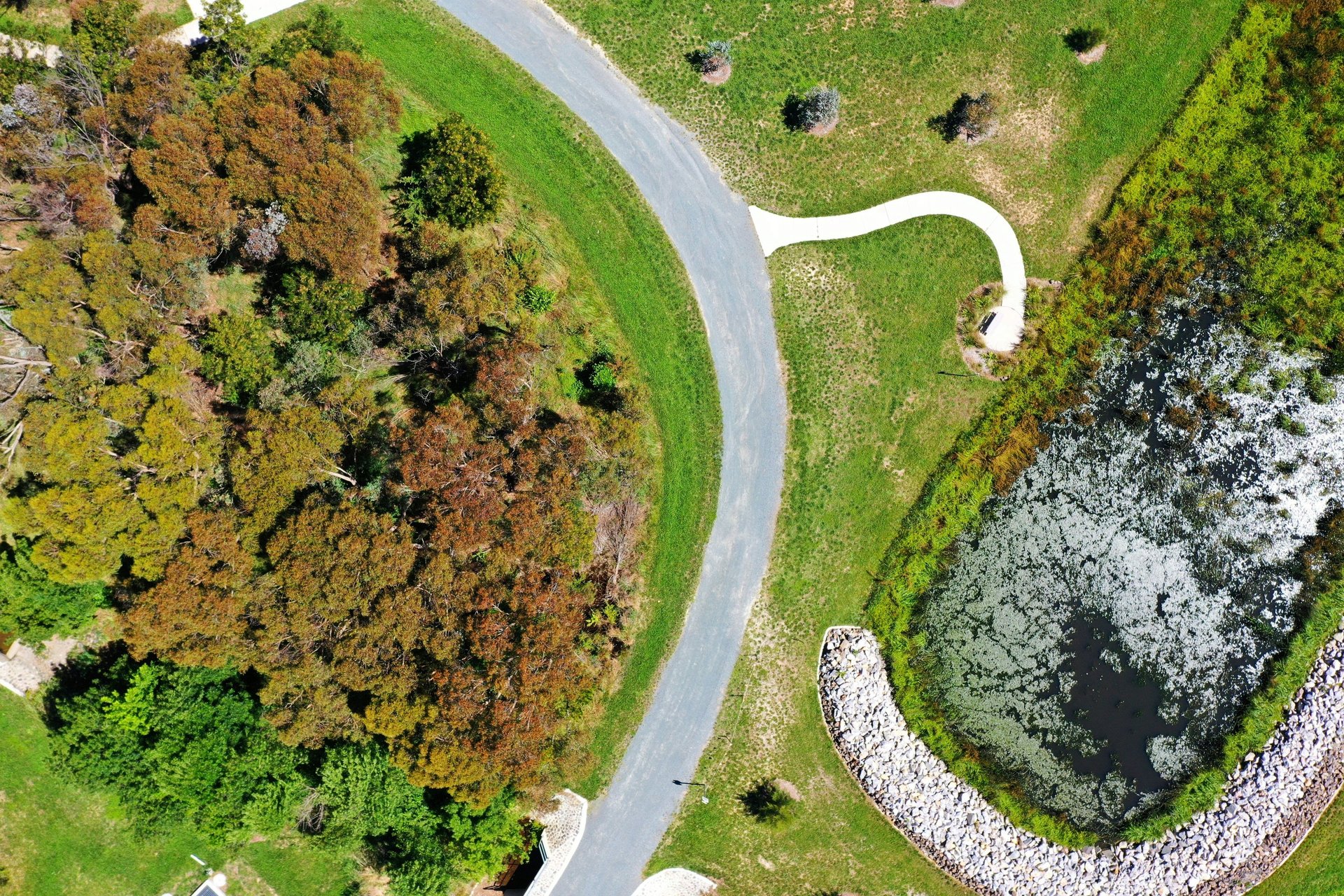
Known Existence Verification (K.E.V.) Record System
When assets are built, modified, maintained, transferred, or reviewed over time, the critical question is rarely what was intended — it is what actually existed, and when.
Known Existence Verification (K.E.V.) is Xero Vector Systems’ method for answering that question with clarity. Through disciplined visual and spatial documentation, K.E.V. establishes a time-anchored record of an asset’s known existence and observable state at defined points in time.
Baseline, Condition, and Progress documentation may all contribute to a K.E.V. record, transforming individual documentation events into a coherent history that can be referenced, compared, and relied upon as circumstances evolve.
K.E.V. is designed for environments where assets change slowly or rapidly, records must hold up over years, and clarity matters more than interpretation — providing clear evidence of what existed, where, and when.
Mailing address
19266 Coastal Hwy, Unit 4-554 Rehoboth Beach, DE 19971
Contacts
302-448-6940
Support@xerovectorsystems.com
© 2026 XERO VECTOR SYSTEMS, LLC. ALL RIGHTS RESERVED. | PRIVACY POLICY
BUILDING DOCUMENTATION
CONDITION RECORDS
CHANGE TRACKING